
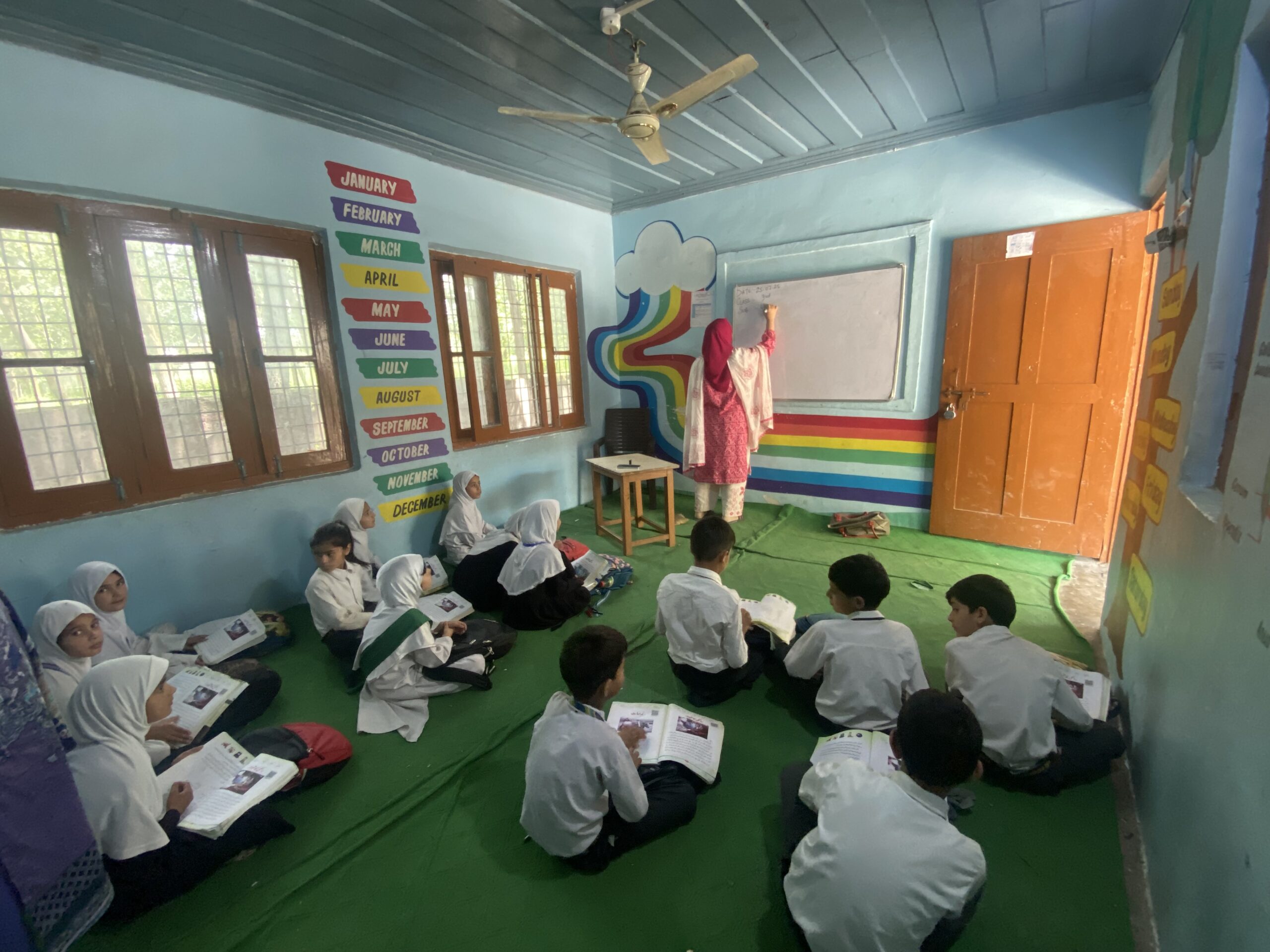
One morning in Srinagar, I stepped into a school tucked quietly within my own neighborhood—a school I had passed many times without noticing, one that remained invisible not only to me but to many around. This time, I carried with me more than an observation tool—I carried a shift in perspective.
For years, my visits to schools had been guided by a child protection lens, where the focus was on safety, rights, and safeguarding children from harm. On this visit, however, I chose to see through an educational lens—curious about the classroom environment, teaching practices, and the often-unseen strengths that allow schools in Kashmir to persist despite immense challenges.
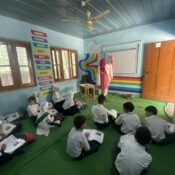
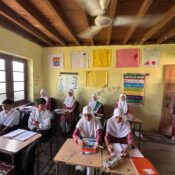
My day began in a second-grade language classroom. From a quiet corner, I observed the gentle rhythm of interaction between teacher and students. The teacher’s voice carried patience, drawing responses from children some confident, others hesitant, their eyes fixed on books. In those silences, I didn’t just see shyness; I saw an unspoken need for more inclusive and engaging teaching strategies approaches that could give every child, regardless of circumstance, the courage to speak.
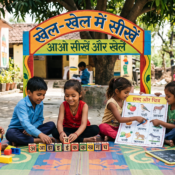
When the short break arrived, the atmosphere shifted. Books gave way to laughter, the midday meal, and the chatter of childhood. I sat with a small group by the window. Between bites of food, they spoke about favorite games, the excitement of upcoming holidays, and the worry of difficult subjects. In their candid words, I found insights no checklist could capture the resilience of children, their small joys, and the everyday struggles woven into their schooling.
That day reminded me that in Kashmir, education is not merely a timetable of lessons. It is a fragile yet powerful space where learning, protection, and community meet. Here, data is not just numbers on a page it is also the voices, silences, laughter in the corridors, and the quiet concerns reflected in children’s eyes. To truly understand schools in this region, we must learn to listen to all of it.